

Europe's Shipping Sector Braces as Iran Strike on Ras Laffan Rattles LNG Supply Lines
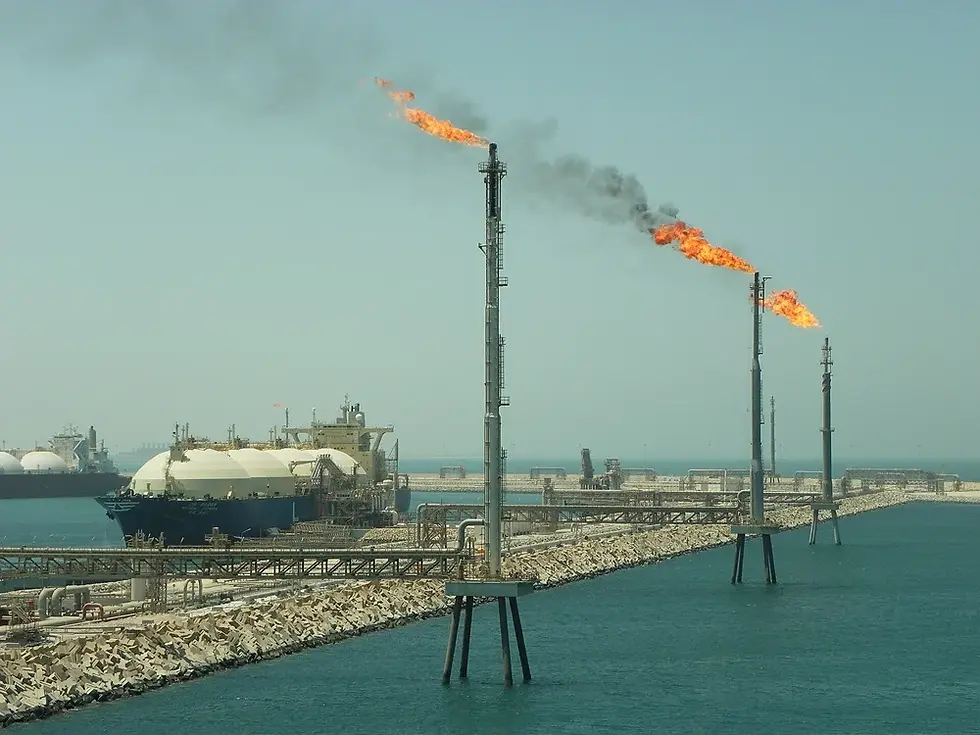
European energy traders and shipping operators are reassessing their exposure to LNG supply disruption after Iranian missiles struck Ras Laffan, the world's largest liquefied natural gas terminal, on 19 March, sending shockwaves through global cargo markets and raising fresh concerns about the continent's energy security.
The Qatari terminal, which supplies around one-fifth of the world's LNG, suffered substantial damage in the strikes, with fires reported across the gas-to-liquids facility within the complex. For European importers, already navigating a volatile freight market, the timing could scarcely be worse.
The Iran conflict has caused significant turmoil to cargo routes as shipping lanes and airports have been targeted since hostilities began on 28 February, with global air freight capacity down around nine per cent compared to pre-war levels. The disruption to sea routes compounds a cost environment that was already tightening sharply before the first missile fell.
Brussels had its own pressures to contend with even before the strikes. From 2026, the EU Emissions Trading System reaches full phase-in for the shipping sector, requiring carriers to purchase allowances covering 100 per cent of their emissions on qualifying voyages, up from 70 per cent in 2025 and 40 per cent in 2024. Analysis suggests that for some intra-EU voyages, GHG compliance costs may now almost equal the underlying cost of bunker fuel itself.
The European Commission has sought to project confidence, adopting a new Industrial Maritime Strategy in early March designed to strengthen the continent's shipbuilding capacity and reduce dependencies on third-country production. Whether that long-term ambition can absorb the immediate shock of a disrupted Gulf supply chain is a question European energy ministers will be asking with growing urgency.
For LNG tanker operators routing cargoes toward Rotterdam and Zeebrugge, the calculus has changed overnight. Longer diversionary routes, higher insurance premiums and a suddenly tighter spot market are already feeding into rate expectations for the second quarter.


Comments